Every year, on the exact moment of the spring equinox — when day and night stand in perfect balance — over 300 million people around the world mark the beginning of a new year. They do it not with fireworks, not with champagne, but with a table carefully set with symbolic food, the smell of fresh herbs filling every home, and a pot of something extraordinary simmering on the stove. This is Nowruz. And it is one of the most beautiful celebrations in human history.
WHAT IS NOWRUZ?
Nowruz (نوروز) means “New Day” in Farsi, and it marks the Persian New Year — celebrated on the spring equinox, usually falling on 20 or 21 March. It is one of the world’s oldest festivities, with origins stretching back over 3,000 years to ancient Persia. Today it is observed across Iran, Afghanistan, Azerbaijan, Central Asia, and large Iranian diaspora communities around the globe.
Unlike many New Year celebrations, Nowruz is deeply rooted in nature — specifically in the turning of the seasons, the return of warmth, and the promise of renewal that comes with spring. It is a celebration of life beginning again: green shoots, longer days, and the simple, profound pleasure of gathering with the people you love.
Food is not incidental to Nowruz. It is inseparable from it. The dishes prepared for Nowruz carry meaning — each ingredient chosen for its symbolism, its colour, or its connection to the earth’s renewal. To cook for Nowruz is an act of hope.
THE HAFT-SIN TABLE
At the centre of every Nowruz celebration is the Haft-Sin — a ceremonial table set with seven symbolic items, each beginning with the Persian letter “S”. The table is prepared with great care and kept on display throughout the thirteen-day Nowruz holiday. Each element represents a wish or blessing for the year ahead:
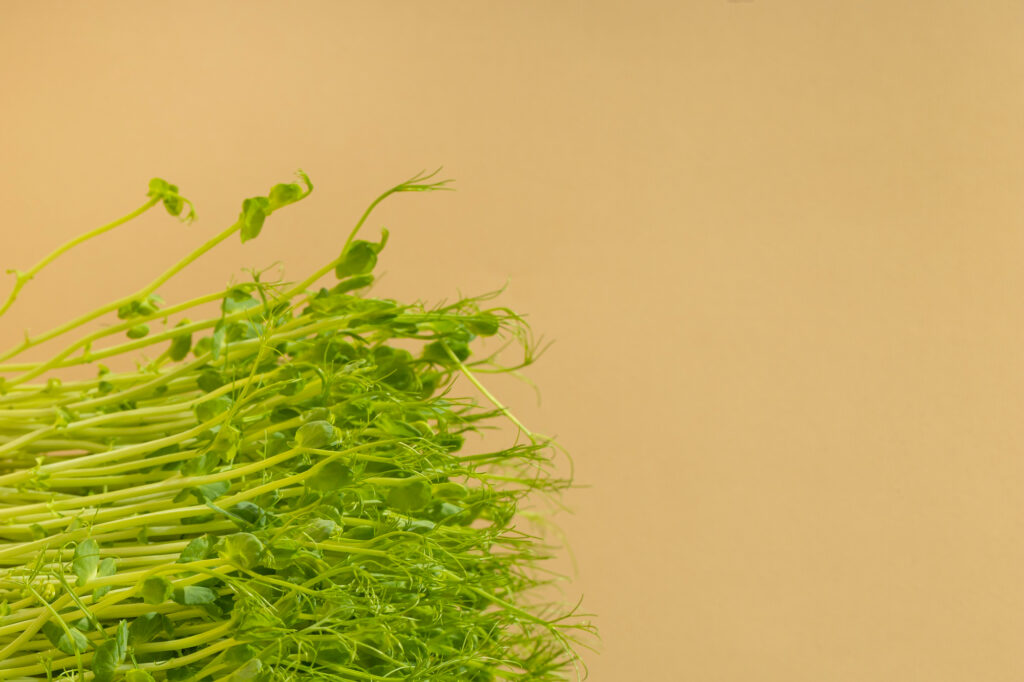
– Sabzeh (سبزه) — Sprouted wheat or lentils: Rebirth, renewal, and growth. The green shoots are one of the most visually iconic elements of Nowruz and are grown at home in the weeks before the celebration.
– Samanu (سمنو) — Sweet wheat pudding: Prosperity and power. This thick, sweet paste made from germinated wheat takes hours of slow stirring to prepare — it is a labour of love and patience.
– Senjed (سنجد) — Dried oleaster (silver berry): Love and affection.
– Sir (سیر) — Garlic: Medicine, protection, and good health.
– Sib (سیب) — Apple: Beauty and health.
– Somaq (سماق) — Sumac berries: The colour of sunrise, patience, and the dawn of a new day.
– Serkeh (سرکه) — Vinegar: Age, wisdom, and patience.
Alongside the seven S’s, the table typically also holds a mirror (clarity), candles (light and enlightenment), painted eggs (fertility), goldfish in a bowl (life), and a book of poetry — often Hafez, the beloved Persian poet whose words are considered a source of guidance and wisdom.
SYMBOLIC FOODS OF NOWRUZ
While the Haft-Sin is ceremonial, the kitchen during Nowruz is very much in full swing. Families prepare special dishes that carry meaning, flavour, and deep emotional resonance.
Reshteh Polo (Rice with Noodles)
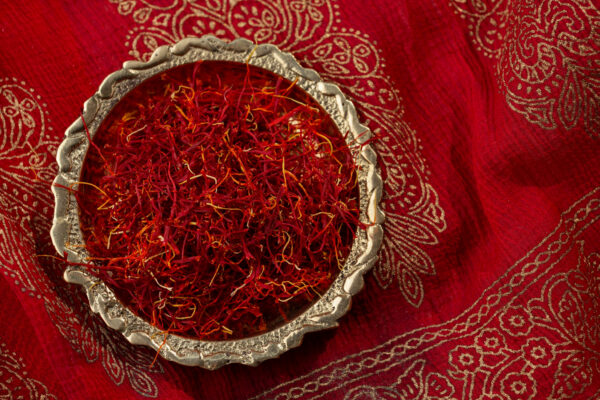
Reshteh, meaning “thread” or “string,” symbolises taking hold of one’s destiny and weaving a strong path forward into the new year. Thin Persian noodles are cooked into fragrant saffron rice and served as part of the New Year spread. Eating it is said to bring clarity, purpose, and good fortune. Few things taste quite as comforting as a bowl of reshteh polo on a cold March evening, with the year stretching out ahead of you.
Ash-e Reshteh (Herb and Noodle Soup)
This thick, hearty soup of herbs, pulses, and noodles is another noodle-based Nowruz tradition — the long noodles again representing the threads of fate. Rich with spinach, parsley, coriander, fenugreek, and kidney beans, Ash-e Reshteh is finished with kashk (whey), crispy fried onions, and dried mint. It is warming, nourishing, and deeply satisfying — the kind of soup that feels like it carries centuries of love in every bowl.
Samanu (Sweet Wheat Pudding)
Reserved for the Haft-Sin table but sometimes eaten as a dessert, Samanu is made by slow-cooking germinated wheat until it caramelises into a thick, dark, naturally sweet paste. No sugar is added — all the sweetness comes from the wheat itself. It is intensely flavoured and distinctly Persian; there is nothing else quite like it.
Noghl (Sugar-coated Cardamom Seeds)
These small white sugar-coated sweets appear at every Nowruz table — offered to guests as a symbol of sweetness for the year ahead. Delicate, fragrant with cardamom, and endlessly easy to eat one after another.
SABZI POLO MAHI: THE NOWRUZ DINNER
If there is one dish synonymous with the Nowruz dinner table above all others, it is Sabzi Polo Mahi — herbed rice with fish. Served on the eve of the New Year, this dish is eaten in virtually every Iranian household.
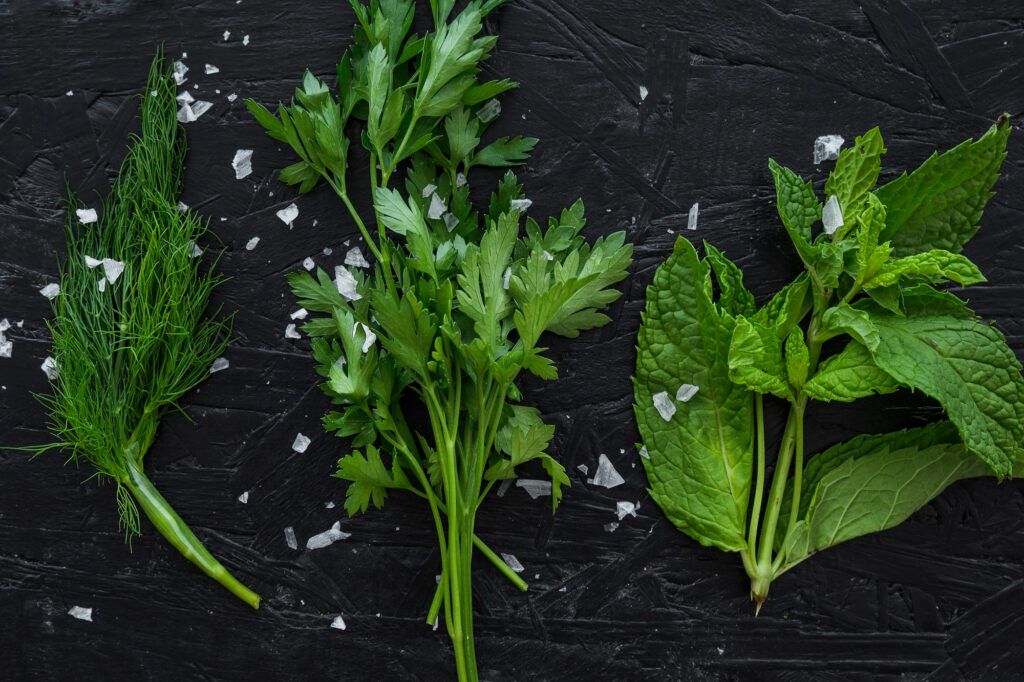
Sabzi polo is a fragrant rice cooked with finely chopped fresh herbs — typically dill, parsley, fenugreek, chives, and coriander — their green colour filling the rice with the spirit of spring. The herbs represent new life and the freshness of the season. Alongside it, whole fish (traditionally white fish such as Caspian kutum, or more commonly sea bass or trout outside of Iran) is marinated in turmeric and herbs, then fried or baked until golden. Fish symbolises life and movement — always swimming forward, never backward. Together, the green herb rice and the golden fish make one of the most visually beautiful plates in Persian cooking.
THE SPIRIT OF NOWRUZ AT SHIRAZ
Nowruz is a reminder that food is never just food. Every dish on the New Year table carries a wish — for health, for love, for good fortune, for the courage to move forward. Persian cuisine understands this perhaps better than any other culinary tradition: that cooking is a form of care, and eating together is one of the deepest expressions of community and belonging.
At Shiraz, we carry that understanding into every dish we serve, every day of the year. Our kitchen is rooted in the same traditions that have shaped Persian celebrations for thousands of years. Whether it’s the brightness of fresh herbs, the warmth of saffron, or the slow, patient cooking of a stew — we bring the spirit of the Persian table to Brighton & Hove, one meal at a time.
Want to experience the flavours of Persian celebration? Book a table at Shiraz Persian Restaurant and let us share a little of what makes Iranian food — and Iranian culture — so extraordinary.